What are the main bowel cancer symptoms to look out for?
In this article we look at the main symptoms of bowel cancer. Before we look at the main symptoms of bowel cancer, here’s a bit of background information on the bowel…
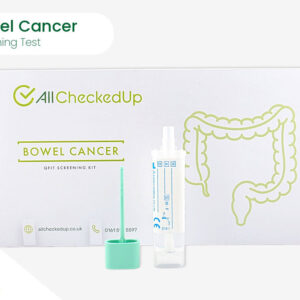
Worried about bowel cancer? Order a quantitative FIT test which can detect tiny amounts of blood in your stool which may detect early signs of bowel cancer.
About the Bowel
The bowel is part of our digestive system. Stretched out it can reach up to 21 feet in length. The bowel itself consists of two parts: the small bowel and large bowel. The small bowel is often referred to as the small intestine and is the link between the stomach and the large bowel. The small bowel makes up most of your bowel’s total length at 13 to 19 feet. It’s called the small bowel because of its size in diameter which is smaller than the large bowel.
The large bowel is also known as the large intestine. The large bowel is made up of the colon, the rectum and the anus.
What is Bowel Cancer?
Bowel cancer is referring to cancer in the large bowel. You can get small bowel cancer but this is much rarer.
The term Bowel cancer is actually an umbrella term which encompasses both colorectal cancer and rectal cancer.
The colon is the first part of the large bowel made up of three parts: Ascending colon, Transverse colon and Descending colon. Cancer that’s starts in the colon is called colorectal cancer.
The rectum, descriptively known as the back passage, is the last part of the large bowel just before your anus. Cancer which starts in the rectum is called rectal cancer.
Bowel Cancer Symptoms
The main symptoms of bowel cancer include:
- Blood in or on your poo – You may notice blood in your poo. The blood may be bright red or dark in colour and may be accompanied by unexplained change in bowel habit
- Unexplained change in bowel habits – You may have diarrhoea or constipation usually lasting longer than six weeks. You may also need to go to the toilet more often or get a feeling like you have not completely emptied your bowels.
- Unexplained weight loss – Unexplained weight loss with abdominal pain or bleeding from the back passage is more specific to bowel cancer
- Feeling tired or breathless – You may feel more tired than usual or feel out of breathe. This may be due to a lower red blood cell count. Red blood cells help carry oxygen around the body. Lower numbers of red blood cells may be a sign of bowel cancer. You can get a blood test to find out your red blood cell count. A blood test is usually done alongside a quantitative FIT test which screens for bowel cancer
- A pain or lump in your abdomen – which may also include discomfort and bloating which is associated when you eat. The lump is usually more common on the right side of the back passage
If you develop any of these symptoms, you should make an appointment to see your GP for further investigation. Although these symptoms are linked with bowel cancer, these symptoms, particularly in younger people (aged 50 and below), may also be due to other bowel problems such as haemorrhoids, irritable bowel syndrome or ulcerative colitis
There are also certain risk factors which may increase your risk of getting bowel cancer.
Bowel cancer often presents with no symptoms. The best way to detect early signs of bowel cancer is to take a bowel cancer screening test. The quantitative FIT Test is the only recommended test in the UK by NICE for first line screening for Bowel Cancer. It’s really simple and can be done from the comfort of your home. Take a small stool sample and send it off to our lab for a fast turnaround. We’ll send you a certificate which you can download from your online account which shows the exact amount of blood in your stool (if any). It’s a highly accurate test and if your results are abnormal we offer a free referral letter.