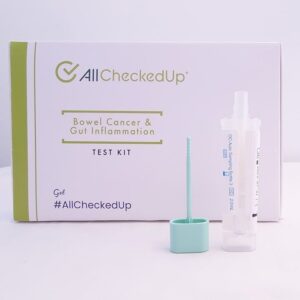
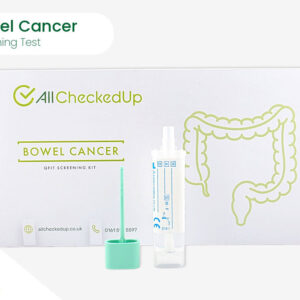
The quantitative faecal immunochemical test (qFIT) is a non-invasive screening tool designed to detect occult (hidden) blood in the stool, which can be an early indication of bowel or colorectal cancer.
It is the only NICE-recommended screening test for Bowel Cancer in the UK and replaces the traditional guaiac-based faecal occult blood tests (FOBT), which had limitations in sensitivity and specificity.
About Bowel Cancer
Bowel Cancer is the fourth most common cancer in the UK and causes 16,800 deaths every year (which equates to 46 deaths every day).
Bowel cancer often presents with no symptoms. However, symptoms of Bowel Cancer often present similar to other bowel conditions such as Inflammatory Bowel Disease (IDB) and Irritable Bowel Syndrome (IBS). Bowel cancer often presents with no symptoms. The best way to screen for Bowel Cancer is to test regularly. The main test used to screen for Bowel Cancer is the quantitative faecal immunochemical test (qFIT).
You can learn more about qFIT as a screening tool
Bowel Cancer Screening Test
How does the Quantitative Faecal Immunochemical Test (qFIT) work?
qFIT employs an immunological approach to detect human globin protein, specifically the globin chain in human haemoglobin.
The qFIT operates on the principle that when there is blood present in the lower gastrointestinal tract, it can gradually degrade, releasing haemoglobin into the stool. The qFIT specifically targets globin protein, using antibodies that react with globin chains in the haemoglobin molecule. The test is not only highly sensitive to human blood but also to blood present in the lower gastrointestinal tract, which is specific to Bowel Cancer. This makes the qFIT a reliable indicator of potential bowel cancer.
Benefits of qFIT over other bowel cancer screening tests
Improved Sensitivity and Specificity: qFIT has demonstrated higher sensitivity and specificity compared to traditional guaiac-based tests. This means that it can accurately detect lower levels of blood in the stool, reducing the likelihood of false-negative or false-positive results.
Convenience and Ease of Use: qFIT is a user-friendly test that requires no dietary restrictions or medication adjustments. The collection process is simple, involving the collection of a small stool sample at home, making it a convenient screening option for patients.
Early Detection and Reduced Mortality: Early detection of colorectal cancer significantly increases the chances of successful treatment and improved patient outcomes. qFIT enables the identification of precancerous lesions or early-stage cancers, leading to earlier intervention and potentially reducing mortality rates.
Cost-Effectiveness: Compared to other screening methods such as colonoscopy, qFIT is a cost-effective alternative. It provides an efficient means of identifying individuals at higher risk who may require further diagnostic evaluation, ensuring optimal resource allocation in healthcare systems.
Considerations and Limitations
While qFIT is a valuable screening tool, it is important to acknowledge its limitations and considerations:
False Negatives and Positives: Although qFIT has improved sensitivity and specificity, false-negative and false-positive results can still occur. It is crucial to follow up any abnormal results with additional diagnostic tests or consultations with healthcare professionals.
Diagnostic Aid, not Diagnostic Confirmation: qFIT is a screening tool designed to identify individuals who may require further investigation. It is not intended to provide a definitive diagnosis of colorectal cancer but rather serves as a guide for subsequent diagnostic procedures.
Screening Intervals: The frequency of qFIT screenings may vary depending on regional guidelines and individual risk factors. Healthcare providers can advise on appropriate screening intervals based on factors such as age, family history, and personal health history.