Prostate cancer has now become the most common cancer in England, having seen a 25% rise in the number of cases between 2019 and 2023.
This rise has resulted in around 55,100 new cases in the UK every year and leads to roughly 33 deaths every day. Certain factors can increase your risk of getting prostate cancer, such as:
- age – if you’re under the age of 50, prostate cancer is rare, but it increases with age
- family history – if you have a close relative, for example, a brother or father, who has had prostate cancer
- ethnicity – the lifetime risk is 1 in 4 for men of black ethnic origin compared to 1 in 8 for white men
Prostate cancer affects the prostate gland. The prostate gland is only found in men and is part of the male reproductive system, responsible for manufacturing the fluid that produces and carries sperm, called seminal fluid.
It is about the size of a walnut and sits just below the bladder, surrounding the urethra, the tube that carries urine from the bladder to the outside of the body.
No symptoms in early-stage prostate cancer
Early-stage prostate cancer usually causes no symptoms because of the way the cancer grows.
It is common for most prostate cancers to start from the outer part of the prostate gland and work its way in. As the urethra, carrying the urine, runs straight through the middle of the prostate gland, urinary symptoms that are commonly associated with prostate cancer, such as increased frequency, a weak flow, difficulty starting and dribbling urine after going to the toilet, will only become noticeable if the cancer grows large enough to push against it.
If the cancer starts to break out of the prostate (known as locally advanced prostate cancer) or starts spreading to other parts (known as advanced prostate cancer) it can often cause other symptoms such as:
- back pain, hip pain or pelvis pain
- problems getting or keeping an erection
- blood in the urine or semen
- unexplained weight loss.
Testing for prostate cancer
Prostate cancer often doesn’t cause any symptoms in its early stages, which is why certain tests can help find it before it becomes more serious. One of the most common and simple tests is a blood test that measures a protein called Prostate Specific Antigen, or PSA.
PSA is made by the prostate gland and helps sperm move more easily. It’s normal for small amounts of PSA to enter the bloodstream, and these levels can naturally go up as you get older. However, a higher PSA level can also be a sign of a problem with the prostate, including prostate cancer.
For most men, a PSA level below 3 nanograms per milliliter (ng/mL) is considered normal. But what’s considered “normal” can vary depending on the recommendation that is followed. For example, NICE guidelines recommend using age-based ranges from less than 2.5 up to 6.5 micrograms per litre (µg/L).
A PSA test can help pick up early signs of prostate cancer, but a high result doesn’t always mean cancer is present. PSA levels can also rise due to other conditions, like an enlarged prostate or inflammation of the prostate (called prostatitis). Even things like recent exercise, sex, or a physical exam can temporarily raise PSA levels.
To get a clearer understanding of your PSA level, you can also look at the different types of PSA in your blood. When circulating in your bloodstream, PSA can come in two main forms, either bound to other proteins or circulating on its own, the amount of “free” PSA (not attached to other proteins) to the total PSA can help show whether the high level is more likely due to cancer or a non-cancerous condition.
How to take a PSA test
A PSA test is a simple, non-invasive blood test that can be done at home or in a clinic.
Certain activities, medical procedures, or medications can affect the accuracy of a PSA (prostate-specific antigen) blood test. To help ensure reliable results, it’s important to delay the test if any of the following apply:
- Vigorous exercise – Intense physical activity within 48 hours before the test may influence PSA levels.
- Sexual activity – Ejaculation within 48 hours of the test can affect results. Anal sex or prostate stimulation may raise PSA levels for up to a week.
- Recent procedures – A prostate biopsy, or any tests or surgery involving the bladder or prostate in the previous six weeks, can lead to temporarily elevated PSA levels.
- Medications – Drugs like Finasteride (Proscar®) or Dutasteride (Avodart®), used to treat an enlarged prostate or hair loss, can lower PSA levels and may result in misleading test outcomes.
- Urinary catheter use – Having a catheter inserted within the past six weeks can impact PSA readings.
Ordering a PSA test privately
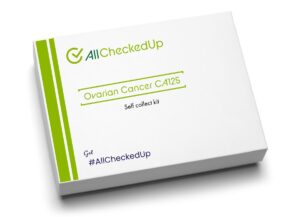
You can order a PSA test, which you can take at home and send off to our UKAS-accredited laboratory with results in as little as 48 hours from the lab receiving your sample.
You can also book an appointment at our Macclesfield or London clinic to have a nurse take your sample.
An accurate quantitative finger prick blood test to screen for Prostate Cancer