Human Papillomavirus or HPV is a group of more than 200 related viruses that can affect the skin and linings of the inside of the body know as mucous membranes. They are most commonly found in the mouth, throat, genital area, and anus.
Both men and women can have HPV and most people who have ever been sexually active will have had HPV at some point. This is because HPV is transmitted through sexual activity. The virus can live on the skin around the whole genital area and so can pass from person to person during any type of sexual contact, including sharing of sex toys.
Our immune system clears most HPV without causing any symptoms or health issues, although some types of HPV can cause warts and verrucas, while some other types can increase the risk of developing some cancers, and these are called high-risk HPV.
Cervical cancer is the 14th most common cancer in women in the UK and causes 850 deaths a year. It mainly affects sexually active women aged 30–45 years, with a peak incidence rate between 30–34 years.
Cervical Cancer can cause symptoms including:
Around 40 types of HPV affect the genital area. For women, if some of these stay in the body for a long period of time, it can cause changes to the cells of the cervix which can lead to cervical cancer. This change often takes many years with the average time for development of pre-cancerous lesions being 1 – 10 years, and progression to invasive cancer is usually more than 10 years.
HPV is detected in 99% of cervical cancers, and the high-risk subtypes HPV 16 and 18 account for at least two-thirds of cases. HPV subtypes 31, 33, 45, 52, and 58 account for the majority of remaining cervical cancer cases.
Having high-risk HPV doesn’t mean that cervical cancer will become a certainty. Aabout 90% of incident HPV infections are short-lived and usually resolve spontaneously within 2 years. Only about 10% of all HPV infections become persistent, which increases a woman’s risk of developing precancerous cervical lesions.
For an HPV infection to be classed as ‘Persistent’, the same type-specific HPV will need to be detected when a repeat screen is undertaken 6–12 months after the previous screen.
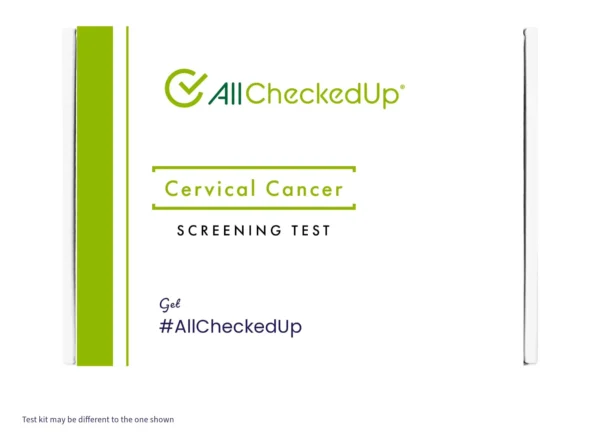
At present, there is no reliable HPV test for men. However, women can order our CE-marked cervical cancer screening test to detect the presence, or absence, of 19 high-risk types of HPV through a simple vaginal swab sample that can be self-collected at home and sent to our CQC-registered and UKAS-accredited medical laboratory.
Testing for HPV to screen for cervical cancer and disease detection has consistently been proven to be extremely valuable. Our self-collection test is a fast and discreet way of detecting HPV. It can be done at home and is as reliable as samples collected by a healthcare professional.
If HPV is detected, our test will also determine if the HPV type present is high risk for abnormal changes of the cells in the cervix and cervical cancer.
Order your HPV test from All Checked Up

Heart disease remains one of the leading causes of illness and death worldwide. While common risk factors such as high cholesterol, high blood pressure, smoking,

Bowel cancer is one of the most common cancers in the UK and is the fourth most frequently diagnosed overall, with around 44,100 people receiving

Prostate cancer has now become the most common cancer in England, having seen a 25% rise in the number of cases between 2019 and 2023.